Classical Piano
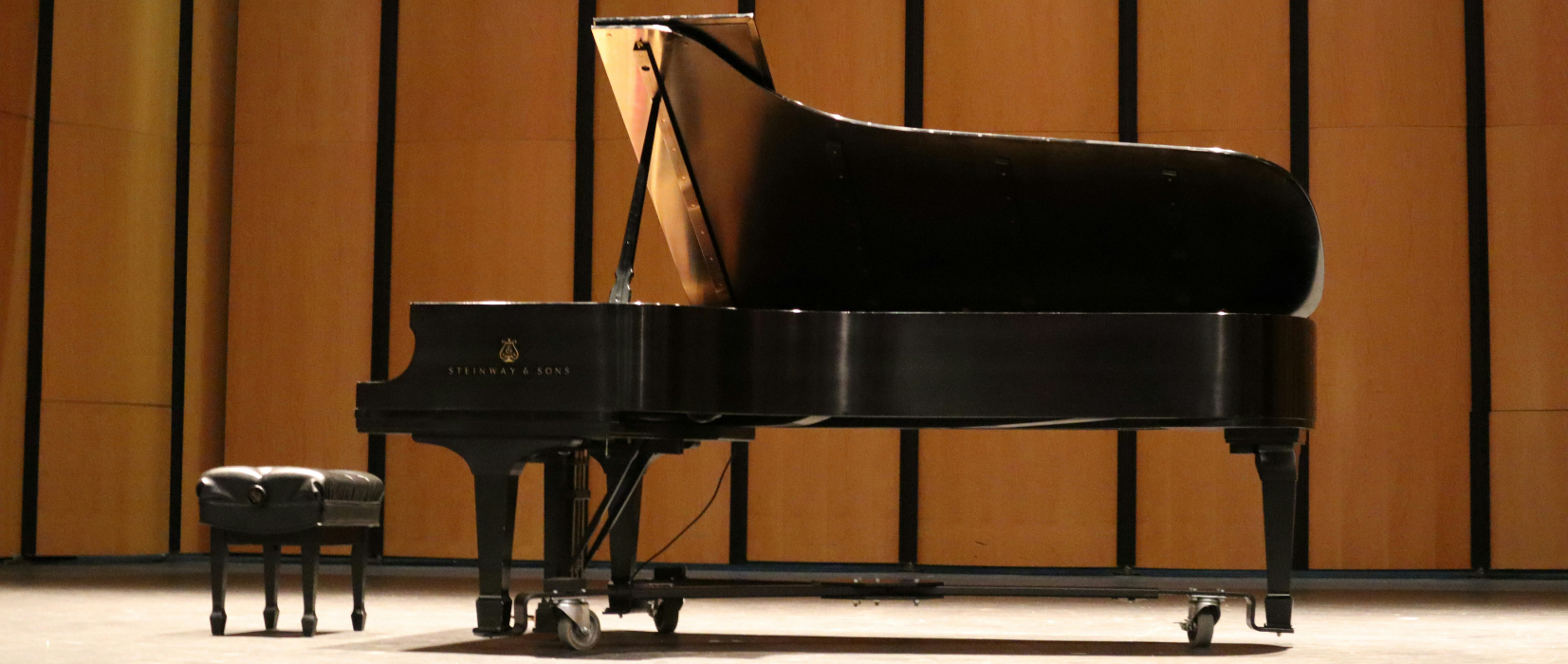
The piano's rich, resonant tones—from delicate whispers to powerful chords — have made it one of the world's most popular instruments. Its expressive voice connects deeply with people, offering comfort, inspiration, and a universal language of emotion across cultures and generations.
What it is
The piano was invented around 1700 by Bartolomeo Cristofori in Florence as an evolution of the harpsichord. Unlike the harpsichord, which plucked strings at a fixed volume, Cristofori's design used hammers to strike the strings, allowing players to control loudness and softness—hence the original name gravicembalo col piano e forte.
Through the 18th and 19th centuries, builders refined the action, added iron frames, expanded the range, and introduced pedals, transforming it into the powerful, expressive instrument we know today.
Did you know?
Cristofori's early pianos were so quiet and subtle that musicians largely ignored them for decades; the instrument only gained widespread popularity long after his death.
Admission criteria
Our piano course welcomes both children and adults of all ages and skill levels. Whether you're a complete beginner or looking to refine your playing.
-
1
Age Limit
Student must be 6 years of age to begin.
-
2
Instrument
Must possess a personal instrument for learning and practice.
-
3
English Matters
Local or international students are welcome as long as they understand English. All lessons will be conducted in English.
-
4
Students Pursuing a Diploma
For diploma candidates, you must have already completed Grade 8 practical exam, be it of ABRSM, Trinity College of London (TCL), or London College of Music (LCM).
Course Structure
Each lesson blends practical playing with essential theory. Students spend time at the instrument developing technique and musicality while also learning notation, rhythm, and musical concepts—both elements working together to build well-rounded, confident player.
** For Diploma in Performance, it will be solely on practical. Grade 6-8 students can opt out of the subject of Theory as well.
Practical
Hands-on instrument practice that builds technique, expression, and real musical performance skills.
Theory of Music
The study of notes, scales, rhythm, and harmony that helps you understand and even create music.
Skill Coverage
The instructors of this course possesses the expertise to impart knowledge and facilitate its transfer to students at various levels of proficiency:
- Graded 1 - 8
- Diploma 'Associate' to 'Licentiate'
- Christian Hymns, Anime Theme Songs, Pop Culture and other music genre per your request
Why Choose Us
Music teaching since 1981, we have prepared countless students for graded and diploma exams. Many adults who began with no experience now perform confidently - even in an orchestra. We do have a proven approach.
One-to-One
All classes are conducted in an individual one-to-one manner, giving the most focused attention to the student.
Real Accoustic Pianos
All of our studios are equip with real accoustic pianos, which are periodically tuned and mainted, nothing less.
Qualified Teachers
Many of our teachers have years, if not decades of experience in teaching.
Attention
While we strive to accommodate all students’ desired lesson time requests, we must acknowledge that due to the high occupancy of lesson slots on certain demanding days or time zones, and the limited availability of studios, we may not be able to fulfill your requests. We kindly urge that you discuss this matter with us before making a commitment.